Call for Pricing (888) 978-0178

Aerial Lift Emergency Procedures: What OSHA-Trained Operators Must Do During Power Line Contact, Earthquakes, and Falls

On-site Training
Get Started Today!


OSHA-focused • Practical • Job-site ready

Aerial lift emergency procedures are a critical part of aerial lift safety training and OSHA aerial lift training. When accidents happen like power line contact, earthquakes, or falls operators have seconds to respond correctly. This guide covers OSHA-required actions that protect crews and support compliance.

Built for contractors, safety managers, employers, and lift operators.

Quick Checklist

  • Stop, stabilize, and communicate hazards
  • Power line contact: stay on the platform if safe
  • Earthquake: hold on; don’t drive or lower during shaking
  • Falls: call 911, secure area, follow the site response plan
  • Inspect equipment and document incidents

Tip: Use this as a toolbox talk alongside your aerial lift operator training.

What Happens When an Aerial Lift Hits Power Lines

what to do if a lift hits power linesaerial lift electrocution preventionboom lift emergency proceduresscissor lift emergency response

An aerial lift power line accident can energize the lift and the surrounding ground. The most important rule in aerial lift emergency procedures is simple: do not create a path to ground. That's why strong OSHA aerial lift emergency response training emphasizes staying on the platform if it's safe.

What to do if a lift hits power lines (Do this immediately)

  • Stay in the platform if there is no fire or immediate danger.
  • Do not touch the ground while touching the lift.
  • Warn everyone to stay away-electricity can travel through the ground.
  • Call 911 and notify the utility company/site supervision.
  • Wait for confirmed shutdown before moving or exiting the lift.

Emergency exit (only if fire forces you out)

If you must exit due to fire, jump clear with both feet together and shuffle away with small steps. This supports aerial lift electrocution prevention.
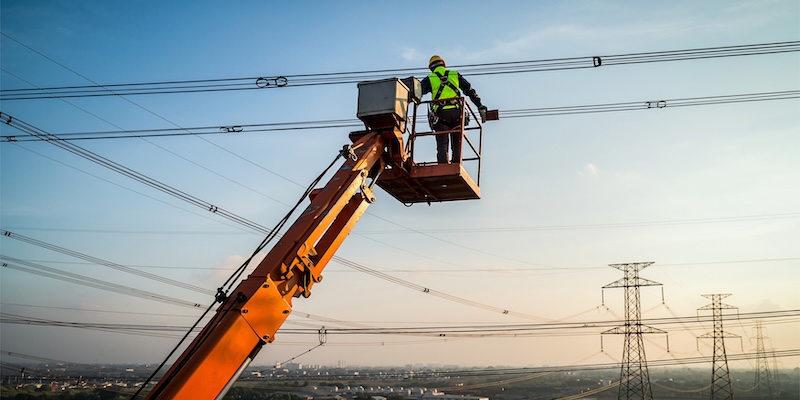
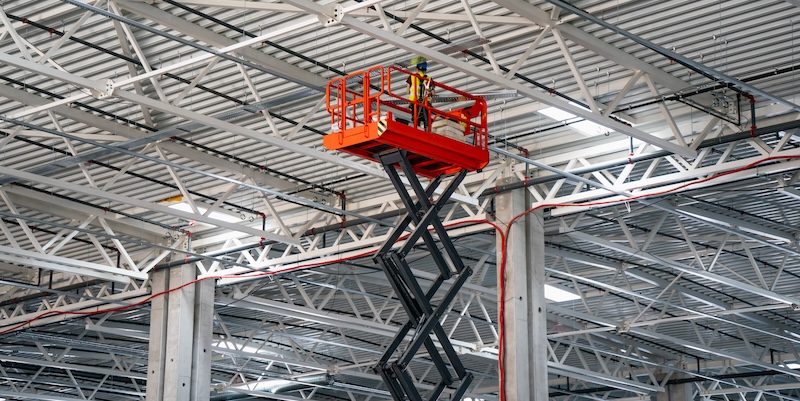
aerial lift emergency procedures for aerial lift power line accident and what to do if a lift hits power lines

Earthquake Safety Procedures for Aerial Lift Operators

aerial lift earthquake safety procedures focus on stability and restraint. During shaking, avoid driving, rotating, or lowering the platform. These habits support aerial lift accident prevention and workplace safety procedures.

During shaking

  • Stop movement immediately
  • Hold guardrails firmly
  • Stay in the platform
  • Do not drive/lower the lift

After shaking stops

  • Lower slowly if safe
  • Exit and inspect equipment
  • Report and document hazards
  • Remove damaged lifts from service

Adding earthquake response to your aerial lift operator emergency training improves job site emergency preparedness.

aerial lift emergency procedures and aerial lift earthquake safety procedures for operators

Fall Emergencies and OSHA-Required Response

Falls are a primary reason employers invest in aerial lift fall protection training. A correct response supports aerial lift accident response and meets aerial lift accident training requirements.

Aerial lift fall emergency response (Do this first)

  1. Call emergency services immediately.
  2. Do not move the injured worker unless there is immediate danger.
  3. Secure the area to prevent additional incidents.
  4. Follow the site emergency plan and reporting procedures.

Preventing falls (training-based habits)

  • Use proper harness/lanyard systems when required.
  • Tie off only to manufacturer-approved anchor points.
  • Never climb guardrails, ladders, or improvised platforms.
  • Maintain stable footing and avoid overreaching.

Strong fall protection for aerial lift operators reduces risk and supports consistent compliance with OSHA compliance training.

aerial lift emergency procedures with aerial lift fall protection training and aerial lift fall emergency response

Why OSHA-Compliant Emergency Training Saves Lives

Professional OSHA aerial lift training improves decision-making under stress. It builds repeatable habits that protect crews. When companies implement structured aerial lift safety training and emergency response training for lift operators, they typically see fewer injuries, reduced downtime, and stronger compliance confidence.

Compliance confidence

Align operations with OSHA aerial lift requirements.

Lower risk

Improve aerial lift hazard awareness and prevention.

Stronger crews

Build confident operators with aerial lift operator training.

If your team is asking “how to respond to aerial lift emergencies,” the best answer is consistent training and drills, supported by documented procedures and practical scenarios.

Get Certified in Aerial Lift Emergency Response

Prepare operators for real emergencies-not just certification tests. Get OSHA aerial lift emergency response training that supports aerial lift accident prevention.

Ideal for contractors, safety managers, and employers seeking aerial lift operator emergency training.

External Safety Resources

These authoritative sources strengthen trust (EEAT) and help readers verify safety guidance:

Aerial Lift Emergency Procedures – FAQs

Remain inside the lift if possible, avoid touching the ground while touching the lift, warn others to stay away, call emergency services and the utility company, and wait for confirmed power shutdown as part of OSHA aerial lift emergency procedures.

OSHA requires employers to ensure operators are trained to recognize hazards, follow safe operating practices, and understand emergency response procedures relevant to their equipment and job site.

Yes. Aerial lift fall protection training reduces serious injuries by reinforcing correct tie-off practices, proper anchor use, safe platform behavior, and emergency response steps.


Payments Accepted
Image

Our History
All Purpose aerial lift training instructors combined brings over 100 years of training and field experience. We strive to deliver the highest standard of quality aerial lift training.


OSHA Verified Vendor Icons
company-logos

An All Purpose Safety Training Solutions Company